
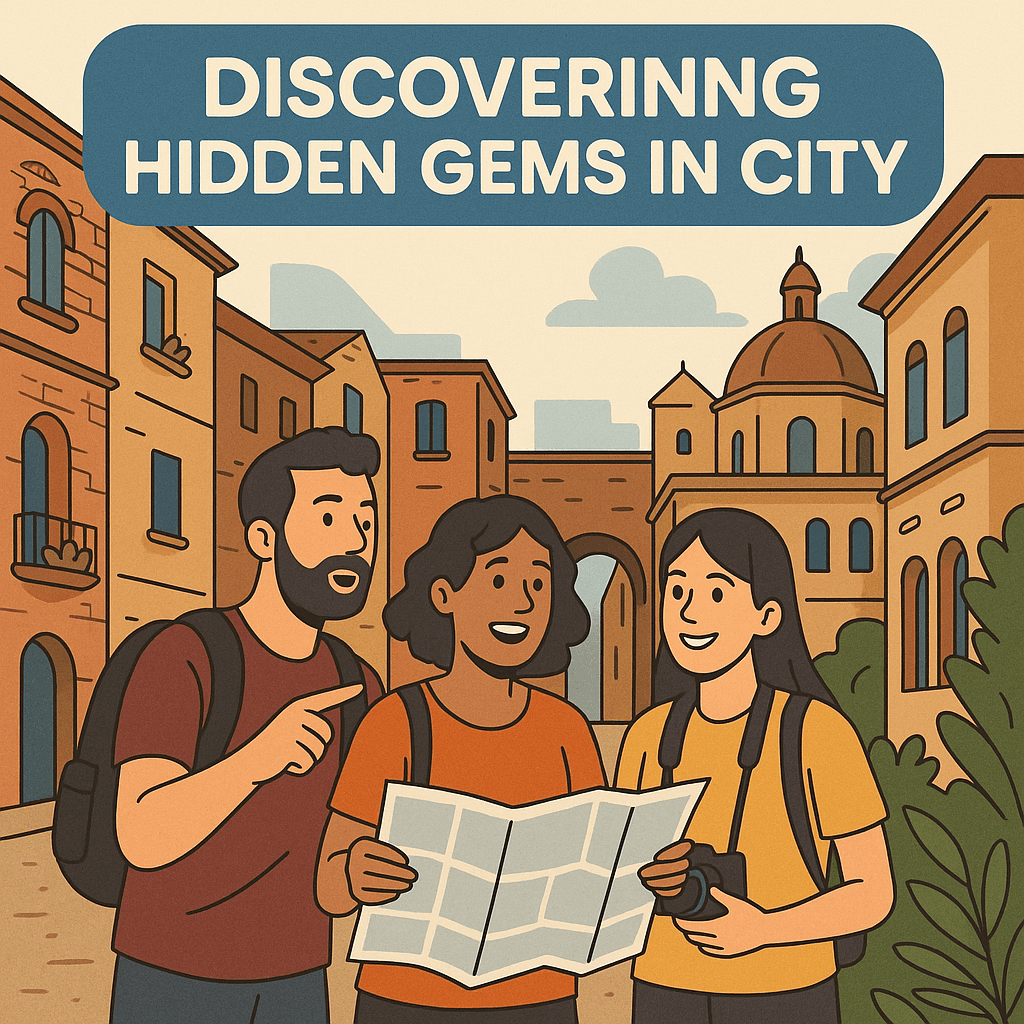
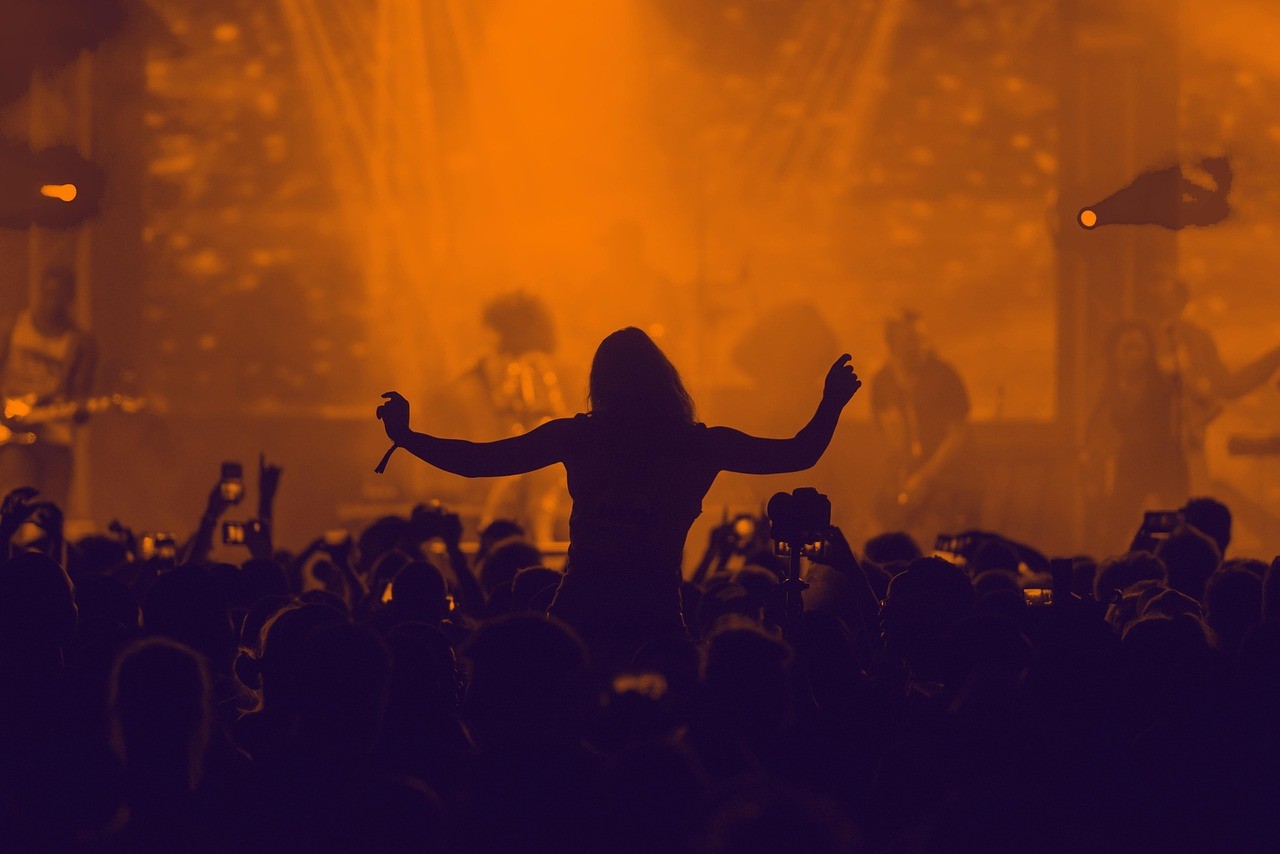
Here I am going to tell you about different ways to spend your weekend or vacations by discovering hidden gems near you. You think you might have seen those but believe me there are things that are yet to be seen and experienced. Finding Nearby Gigs in your city is pretty easy but finding gigs that are most relevant to you is very difficult. Well, I know one platform which is actually helping people like us to live our life to fullest. Random Plans, Spontaneous Events and Activities, No more bound to any community or group just to enjoy with them. I found verified people to vibe with on Paxmeet. Let's know about my story more point wise -
Here I am going to tell you about different ways to spend your weekend or vacations by discovering hidden gems near you. You think you might have seen those but believe me there are things that are yet to be seen and experienced. Finding Nearby Gigs in your city is pretty easy but finding gigs that are most relevant to you is very difficult. Well, I know one platform which is actually helping people like us to live our life to fullest. Random Plans, Spontaneous Events and Activities, No more bound to any community or group just to enjoy with them. I found verified people to vibe with on Paxmeet. Let's know about my story more point wise -
Discovering Hidden Gems: How to Find Unique Nearby Events in Your City (Even If You Think You’ve Seen It All)
Discovering Hidden Gems: How to Find Unique Nearby Events in Your City (Even If You Think You’ve Seen It All)
The City You Think You Know
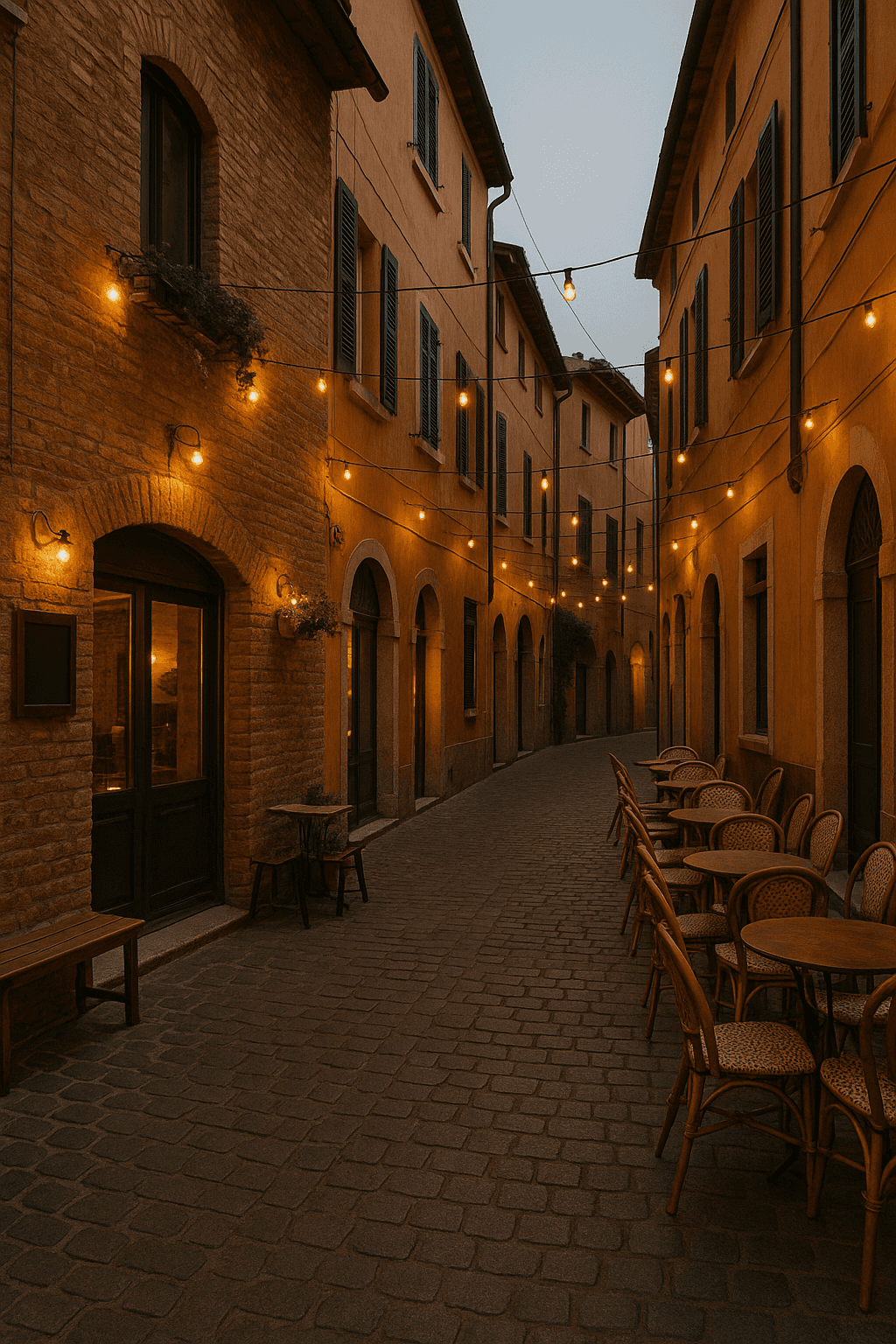
There’s a strange comfort in believing you’ve seen it all. You know your favorite café’s playlist by heart, the bartender knows your drink, and every Friday feels like a well-worn routine. Yet, somewhere in that same city - maybe just three blocks from where you are - a rooftop jam is happening under string lights, a crowd of strangers is laughing at a stand-up night that’s never been advertised, and someone’s projecting indie films on a blank wall for ten curious souls.
It’s not that these things weren’t happening before. It’s just that we stopped noticing. Cities are like living organisms - pulsing, ever-changing, full of surprises. The problem is, most of us stopped looking close enough to see their heartbeat.
When I first started exploring the idea of “nearby events,” it wasn’t for research. It was because I was bored - the kind of deep, existential boredom that even Netflix can’t cure. I wanted something real. Something unpredictable. Something I didn’t scroll past in five seconds.
That’s when I realized how much of life I’d been missing just outside my bubble.
The Rise of Nearby Events - and Why They Matter
If the 2010s were about digital connections, the 2020s are about rediscovering the local. After years of online everything - work, friendships, entertainment - people started craving what screens couldn’t offer: real laughter, spontaneous moments, shared space. And that’s exactly where nearby events stepped in.
What used to be dismissed as “small local gatherings” has evolved into something bigger - a movement. People are now finding meaning in micro-experiences: a candle-making workshop in someone’s apartment, a food crawl across hidden stalls, a no-phones dance night in a basement bar.
I spoke with Rhea, 27, a UX designer who stumbled upon a midnight drum circle through a random social app.
“It wasn’t even on Google,” she laughed. “Someone posted about it on a niche community thread. I went alone, expecting to stay 10 minutes - ended up drumming till 4 AM. I didn’t know half their names, but it felt like I’d known them forever.”
That’s the essence of nearby events - you don’t just find them, they find you.
Why Familiar Feels Empty (and Why You Need Randomness Again)
Routine is comfortable, but comfort dulls curiosity. Every generation rediscovers that in its own way. For us - the Gen-Z and young professionals era - we’ve built lives optimized for efficiency, not for wonder. We have route-optimized commutes, recommendation algorithms, even pre-curated playlists that never surprise us anymore. And that’s exactly the problem.
“Surprise is the oxygen of connection,” says Dr. Leena Khurana, a behavioral psychologist who studies modern social habits. “When something unexpected happens - a stranger shares a story, a local artist performs raw and unfiltered - our brains reactivate emotional empathy. That’s what local events bring back.”
Every nearby event, no matter how small, holds the potential to shake us awake. It reminds us that cities aren’t made of buildings - they’re made of people.
The Problem With the Way We Search for Events
If you’ve ever Googled “events near me,” you know how mechanical the results feel - loud concerts, big festivals, corporate workshops. It’s all the same. That’s because search engines reward what’s already popular. But the best nearby events? They’re often invisible to algorithms.
Take Nikhil, 24, a content creator from Dubai:
"I kept seeing the same club ads over and over. Then I randomly joined a creative jam session I found on Paxmeet. No entry fee, just people bringing guitars and sketchpads. I ended up collaborating on a music video that weekend. It changed how I see the city.”
That’s the beauty of platforms built for real social discovery - they don’t chase trends; they help you stumble into them before they trend.
Apps like Paxmeet flipped the script by designing around people, not posters. Instead of asking what event you want, they help you find who you’d enjoy it with - verified profiles, shared vibes, categories like Wildcard, Foodie, Game On, and Chill Zone. It’s not just about proximity. It’s about compatibility.
The Micro-Communities Hidden in Plain Sight
Every city has its quiet subcultures. There are communities you never hear about until you accidentally walk into them - like the group of strangers who meet every Sunday to do street photography in silence, or the friends who run pop-up kitchens in abandoned warehouses. When you start looking for nearby events, you realize how many worlds exist within one.
In one week, I found:
A “silent karaoke” night where everyone wore headphones and sang along.
A dog café that hosts birthday parties for rescued pets.
A park yoga session that turned into a brunch picnic.
And none of these appeared in the usual event listings. The best part? Each one started with a few people who simply decided to host something different. That’s the untapped truth - every hidden event began because someone refused to wait for permission to create magic.
How to Actually Find These Events
If you want to get serious about finding unique nearby events, forget everything you think you know about “search.” This isn’t about typing and scrolling. It’s about listening to your city.
Here’s what worked for me - and hundreds of explorers I’ve spoken to:Use community - driven apps, not just listings.
Platforms like Paxmeet thrive on authenticity. Unlike typical event sites, they filter out spam and push forward experiences by verified users.Follow the right hashtags.
Instead of #eventsnearme, try hashtags like #YourCityVibes, #HiddenHappenings, or #ThisWeekendIn[YourCity].Ask small businesses.
Cafés, tattoo studios, and co-working hubs often host niche events - and rarely promote them online.Check college boards and maker spaces.
They’re often where innovation happens first - from comedy open mics to crypto crash courses.Talk to people.
Seriously. Most unique events are discovered through word of mouth. Strike up a conversation with someone interesting at your next café or park visit - you’ll be surprised what they’re attending.
What Happens When You Say Yes
Attending nearby events isn’t about adding another calendar entry. It’s about saying yes to unpredictability. “I went to a random pottery class,” said Amir, 29, “and by the second session, I had a new friend group. We now travel together every few months. One of them even became my business partner.”
One yes leads to ten new possibilities. That’s how cities open up - one stranger at a time. And maybe that’s why the most interesting people I’ve met weren’t found on social media - they were found in person.
What Happens When You Step Outside Routine
Something shifts the moment you walk into a room where you don’t know anyone. You feel a twinge of nervousness, a spark of curiosity, maybe even a quiet excitement. That’s the space where life starts to feel alive again. Last spring, I wandered into a storytelling night hosted inside a dimly lit café. No banners, no ads - just a hand-written note on a corkboard that read “Speak Your Story Night – 7 PM.”
The host, a soft-spoken barista named Leo, greeted everyone with a smile and said, “No mics, no pressure, just stories.” By the end of the evening, a tech analyst had read poetry about loneliness, a delivery rider recited rap verses about traffic, and I found myself confessing how scared I was of wasting time chasing “perfect weekends.” It didn’t feel like an event. It felt like belonging. That’s what nearby events do: they replace spectatorship with participation. You stop consuming entertainment and start co-creating experiences.
The Art of Showing Up (When You Don’t Know Anyone)
One of the biggest barriers to attending small local gatherings is the fear of walking in alone.
But the truth is, most people there are alone too - they’re just pretending not to be.
If you want to get the most out of nearby events:Arrive early. You’ll meet the organizers, help with setup, and become part of the scene before it even begins.
Ask questions instead of introducing yourself. People love to talk about what excites them. “How did you hear about this?” works every time.
Ditch the phone. When you’re scrolling, you’re signalling disinterest. When you’re present, you’re approachable.
Stay until the end. Magic happens in the last fifteen minutes - that’s when genuine conversations start.
“I used to feel awkward going to events alone,” says Harini, 25, a marketing executive. “Now I call it my solo-explorer time. I’ve made more friends in six months than in the previous five years.” It’s less about networking and more about noticing. Notice who’s smiling nervously, who’s trying to join a circle. Include them. That’s how communities form.
Building Confidence Through Local Exploration
Attending nearby events regularly builds something deeper than a social calendar - it builds self-trust. You learn to improvise, to connect, to be curious again. Think of it like muscle memory.
The first time you walk into a room of strangers, your heart races. The fifth time, you’re the one helping others feel comfortable. It’s subtle, but it spills into the rest of your life: better communication at work, easier travel experiences, more empathy for others. That’s why psychologists often recommend local exploration as therapy for urban loneliness. It’s social exposure without the intensity of forced networking.
And when you have a tool like Paxmeet, where every attendee is KYC-verified and rated by other users, the anxiety of “Who will I meet?” fades.
You know you’re entering safe, authentic spaces.
When the City Starts to Recognize You
After a few months of exploring nearby events, something beautiful happens - your city starts to recognize you back.
Baristas remember your face from an open-mic. A guitarist waves from across the street. Someone says, “Hey, weren’t you at that rooftop night last month?”You start living in your city, not just around it. “I don’t check the ‘Events’ tab anymore,” laughs Tariq, 28, a digital artist. “I check the people tab. Wherever my friends are hosting or attending - that’s where I go. It’s how Paxmeet changed how we move around.”
That’s the social network 2.0 - not just online followers, but real-world familiarity.Hosting Your Own Event: Where Discovery Meets Creation
Here’s a secret every city creator learns eventually: The easiest way to find the right crowd is to host the kind of event you wish existed.
Hosting doesn’t mean renting halls or printing posters. It could be as small as ten people gathering for a sunset run, a rooftop music jam, or a debate night over coffee.
Here’s how to start:Pick a vibe, not a theme. Ask yourself what feeling you want to create - playful, mindful, adventurous, chill? That determines everything else.
Choose an accessible spot. Think walking distance from a metro, a safe neighborhood, clear directions.
Use tools that simplify logistics. On Paxmeet, you can list your event under categories like Game On, Wildcard, Foodie, or Chill Zone, manage RSVPs, and interact with guests before they arrive.
Curate experiences, not activities. A “painting night” can be just painting. But add soft jazz, a snack table, and a storytelling break - and suddenly it’s memorable.
Ask for feedback. Afterward, encourage honest reviews. On Paxmeet, both hosts and guests are rated, which builds trust and accountability.
“The first event I hosted had seven people,” recalls Meera, 31, a pastry chef. “Now it’s a monthly pop-up café. Paxmeet gave me visibility I couldn’t get from Instagram alone.”Hosting gives you something priceless: ownership of your social life.
The Invisible Infrastructure of Connection
When you look closely, every thriving local scene rests on invisible networks - organizers, venues, volunteers, artists. They’re not famous, but they’re the backbone of culture. Take co-working spaces. They’ve quietly become today’s community halls - hosting wellness breaks, founder firesides, weekend mini-markets. Or bookstores, which have turned into literary salons again.
Nearby events are reshaping urban infrastructure. They’re how creativity circulates when big institutions can’t keep up.
The Paxmeet model amplifies that by mapping real-time engagement data: how many people viewed, joined, or re-shared an event within a radius. That data isn’t for vanity metrics - it helps organizers understand which ideas resonate locally. Imagine a living, breathing map of your city’s social pulse - that’s what event discovery is becoming.
Technology as a Social Compass
We used to say technology made us isolated. Now, the smarter use of technology is what’s bringing us back together. Geo-discovery, interest mapping, and real-time proximity alerts have turned our phones into community radars. Apps like Paxmeet combine that with human trust layers - verified profiles, user reviews, engagement-score algorithms - ensuring that discovery doesn’t come at the cost of safety.
What makes this approach revolutionary is intent-based matching. If you’re into art, food, gaming, or social impact, Paxmeet’s algorithm learns that - not to trap you in a bubble, but to help you meet people you’d actually vibe with offline. And unlike social media, where likes define worth, here your presence defines participation. “It’s weirdly refreshing,” says Arjun, 23, a student who found a startup co-founder at a Paxmeet design jam. “You’re rewarded for showing up, not for showing off.”
The Psychology of Proximity
There’s a subtle but powerful reason nearby events feel so fulfilling: proximity creates empathy. When people gather in the same physical space, their brains synchronize - literally. Neuroscientists at Stanford found that shared real-world experiences increase mirror-neuron activity, which helps humans feel emotionally attuned.
That’s why a random game night can feel more healing than an hour of doom-scrolling. And because nearby events are small, the social pressure is low. You can show up as yourself, not as a curated avatar. Every laugh, handshake, or shared meal builds a neural loop of belonging. That’s not philosophy - that’s biology.
Reclaiming Weekends from the Algorithm
Our weekends have been hijacked by screens - endless reels about productivity or fake “self-care.” But the truth is, community is self-care.
Attending a pottery workshop, dancing barefoot at a park concert, volunteering at a local drive - these aren’t distractions; they’re recalibrations.If you open the Paxmeet feed on a Friday, you’ll see options you didn’t know you wanted: a retro board-game café night, an after-work cycling crew, a “talk-to-strangers” picnic.
The difference is that all of them are nearby. You don’t need to plan months ahead or burn your wallet. You can decide at 7 PM and still make it by 8. That immediacy is the secret sauce of modern connection - spontaneity made safe.
What You Learn from Hosting and Attending
After months of hopping through nearby events, patterns emerge.
The introverts often host the most thoughtful experiences.
The extroverts draw the crowd, but the quiet observers hold it together.
Every event leaves traces - a contact saved, a new café discovered, an idea planted.
“I didn’t realize how much confidence hosting gave me,” says Nora, 30, who organizes ‘Women Who Wander,’ a local hiking group. “Now brands approach us for collaborations. But it started with one free Sunday and a Paxmeet post.” What begins as curiosity becomes community. That’s the long-term reward.
When Nearby Becomes Life-Changing
Sometimes the most ordinary evening turns into the most extraordinary chapter of your life. A few months ago, I met Isha, 26, an introverted designer who used to spend weekends binging true-crime series. One Friday, she came across a listing on Paxmeet titled “Cook with Strangers.” She hesitated for an hour before tapping Join.
“I nearly backed out,” she confessed, smiling. “But that night, I met three people who’ve now become my travel buddies. One of them helped me get my new job. We meet every week now. My whole rhythm changed.” There’s something wild about that - how a random evening, a short walk, or a single ‘Yes’ can quietly redirect your life.
We chase big milestones - promotions, trips, achievements - but sometimes, the universe whispers in smaller ways.
It asks, “What if the best things are already happening near you - you just haven’t arrived yet?” That’s the quiet power of nearby events: they change your life without announcing it.
When a Stranger Becomes Your Story
Every person you meet at a local event holds a thread that might intertwine with your story. There was Ayaan, a filmmaker who hosted “Cinematalk” nights in his garage - screenings of forgotten short films followed by group discussions. I met him through Paxmeet, attended out of curiosity, and stayed for the authenticity.
By the end of one session, a woman named Sara said, “I didn’t realize we could talk this openly about failure.” Ayaan smiled and said, “That’s why I started this. So people can remember art isn’t just for showing - it’s for feeling. ”Everyone nodded. For that brief moment, the city didn’t feel lonely.
That’s what nearby events create - micro-worlds where people stop pretending and start sharing. When I left that night, I realized I hadn’t even checked my phone for two hours. That’s how you know something real just happened.
From Attending to Belonging
There’s a subtle transition that happens when you go from finding events to belonging to communities. At first, it’s just exploration - curiosity, novelty, breaking patterns. But then, faces become familiar, jokes become inside references, and soon you’re part of something that doesn’t need explanation anymore.
“We met at a music night through Paxmeet,” says Dev and Raina, who now run a travel startup together. “We didn’t even plan to network - we just vibed over similar playlists. One idea led to another, and three months later, we were co-founders.” You can’t predict outcomes like that.
But that’s the beauty - the right environment attracts the right energy. When people feel safe, curious, and seen, collaboration becomes natural.
And the best part? Unlike professional networking events, there’s no performance pressure.You’re not selling - you’re simply showing up as yourself. That authenticity is what cities have been missing, and what platforms like Paxmeet are restoring.
The Hidden Science of Why This Works
It’s not just poetic - there’s real neuroscience behind why local gatherings heal us. Humans are wired for physical proximity. Psychologists call it the propinquity effect - the tendency to form deeper bonds with people we encounter often in close spaces. Digital life stretched that thread thin. We know faces from screens, but not from across the street.
Nearby events restore that ancient circuitry. When you share a laugh, a meal, or even a moment of silence with others nearby, oxytocin and dopamine levels spike - the same hormones linked to joy and trust. That’s why you walk home lighter after a community run or an impromptu jam session.
In essence: You don’t attend events to escape loneliness - you attend to remember that connection is a natural state.
Hosting as Modern Alchemy
If attending nearby events changes your weekend, hosting changes your worldview. When you host, you learn the delicate balance of chaos and care - crafting space for strangers to feel safe, curious, and alive. You stop waiting for “fun plans” and start creating them.
One of my favorite hosts is Ananya, 32, who runs “Story Circles” - small gatherings where people share one memory that changed them. “The first one had four people,” she told me. “Now, we have fifty regulars. But the energy hasn’t changed - we still sit cross-legged, phones off, tea brewing in the corner. Paxmeet helped me organize without losing that intimacy.” Hosting isn’t about scale. It’s about intention.
And it often begins with one simple question: What do I wish existed in my city?
How Technology Can Be More Human
We often blame technology for social disconnection - but it isn’t the technology, it’s the intention behind it. Paxmeet was built around the idea that digital tools should lead to real human interaction, not replace it. It bridges digital and physical worlds - helping you discover people nearby who share your vibe, your timing, your curiosity.
Instead of swiping endlessly or scrolling aimlessly, you’re shown real opportunities to meet - verified people, verified plans, and authentic experiences. The platform’s event scoring system (based on engagement, safety, and vibe ratings) means that what surfaces isn’t what’s most advertised - it’s what’s most loved. That subtle algorithmic philosophy - people over promotion - is what makes Paxmeet stand out in a world obsessed with clicks.
It’s not just an app; it’s the map back to real life.
What Cities Could Become
Imagine walking through your neighborhood on a random Thursday night. Instead of silence behind apartment windows, you hear distant laughter, a faint strum of guitar, conversations spilling from rooftop cafés. Imagine every weekend filled with micro-experiences: open poetry nights, fitness meetups, mindful circles, stranger dinners, creative exchanges.
Each one hosted by someone like you - not brands, not corporations, but citizens reclaiming community. That’s not utopia - that’s a realistic projection of where we’re headed.
Urban life doesn’t have to mean isolation anymore. If tools like Paxmeet scale globally, cities could transform into living ecosystems of connection - places where “nearby” becomes synonymous with “belonging.”
The Unseen Benefits of Living Locally
Beyond fun and friendships, local exploration strengthens mental health, creativity, and even civic responsibility. When you attend nearby events regularly, you begin to care more about your surroundings - the parks, the streets, the art walls, the people. You move from consumer to contributor.
“Before I started attending meetups,” says Ravi, 27, “I used to complain that nothing cool happens in my city. Now I’m the one organizing weekend flea markets. Turns out, I just needed to start.”
That’s the loop - you join, you feel, you create. Localism isn’t small-minded. It’s expansive. It’s realizing that your world doesn’t have to be global to be meaningful.
The Future of Nearby Events
The next wave of event discovery will be emotional, not algorithmic. Imagine your app understanding not just your location, but your mood. Feeling social? It’ll show you open invites and dance nights nearby.
Feeling reflective? Maybe a sunset journaling session in the park. AI will evolve from predicting clicks to sensing connection needs. Paxmeet and platforms like it are laying the foundation for that - blending behavioral cues, verified communities, and emotional intelligence into one seamless experience.
But even with all the innovation, the purpose remains timeless: helping humans find humans.
Full Circle - What It Means to Belong
When I think of everything I’ve discovered through nearby events - the laughter, the people, the unexpected friendships - I realize something simple but profound: You don’t need to go far to feel alive. You just need to go nearby.
The next time you catch yourself scrolling mindlessly, wondering what to do this weekend, try something different. Open Paxmeet. Explore. Say yes to one random event that sparks a flicker of curiosity. It might not change the world, but it might just change your world.
Because sometimes, belonging isn’t about finding the perfect place - it’s about finding people who make any place feel perfect.
Your Journey Starts Here
The best stories don’t wait for someday - they begin when you decide to show up. Start small. Explore your city again. Look for laughter in familiar streets, art in hidden corners, rhythm in rooftops you’ve never climbed.
And when you’re ready, host your own. Because somewhere nearby, someone’s waiting for the very experience you want to create.
Life’s most meaningful connections don’t come from searching. They come from showing up.
So show up.
Your next unforgettable memory might be happening just a few steps away - on Paxmeet.
The City You Think You Know
There’s a strange comfort in believing you’ve seen it all. You know your favorite café’s playlist by heart, the bartender knows your drink, and every Friday feels like a well-worn routine. Yet, somewhere in that same city - maybe just three blocks from where you are - a rooftop jam is happening under string lights, a crowd of strangers is laughing at a stand-up night that’s never been advertised, and someone’s projecting indie films on a blank wall for ten curious souls.
It’s not that these things weren’t happening before. It’s just that we stopped noticing. Cities are like living organisms - pulsing, ever-changing, full of surprises. The problem is, most of us stopped looking close enough to see their heartbeat.
When I first started exploring the idea of “nearby events,” it wasn’t for research. It was because I was bored - the kind of deep, existential boredom that even Netflix can’t cure. I wanted something real. Something unpredictable. Something I didn’t scroll past in five seconds.
That’s when I realized how much of life I’d been missing just outside my bubble.
The Rise of Nearby Events - and Why They Matter
If the 2010s were about digital connections, the 2020s are about rediscovering the local. After years of online everything - work, friendships, entertainment - people started craving what screens couldn’t offer: real laughter, spontaneous moments, shared space. And that’s exactly where nearby events stepped in.
What used to be dismissed as “small local gatherings” has evolved into something bigger - a movement. People are now finding meaning in micro-experiences: a candle-making workshop in someone’s apartment, a food crawl across hidden stalls, a no-phones dance night in a basement bar.
I spoke with Rhea, 27, a UX designer who stumbled upon a midnight drum circle through a random social app.
“It wasn’t even on Google,” she laughed. “Someone posted about it on a niche community thread. I went alone, expecting to stay 10 minutes - ended up drumming till 4 AM. I didn’t know half their names, but it felt like I’d known them forever.”
That’s the essence of nearby events - you don’t just find them, they find you.
Why Familiar Feels Empty (and Why You Need Randomness Again)
Routine is comfortable, but comfort dulls curiosity. Every generation rediscovers that in its own way. For us - the Gen-Z and young professionals era - we’ve built lives optimized for efficiency, not for wonder. We have route-optimized commutes, recommendation algorithms, even pre-curated playlists that never surprise us anymore. And that’s exactly the problem.
“Surprise is the oxygen of connection,” says Dr. Leena Khurana, a behavioral psychologist who studies modern social habits. “When something unexpected happens - a stranger shares a story, a local artist performs raw and unfiltered - our brains reactivate emotional empathy. That’s what local events bring back.”
Every nearby event, no matter how small, holds the potential to shake us awake. It reminds us that cities aren’t made of buildings - they’re made of people.
The Problem With the Way We Search for Events
If you’ve ever Googled “events near me,” you know how mechanical the results feel - loud concerts, big festivals, corporate workshops. It’s all the same. That’s because search engines reward what’s already popular. But the best nearby events? They’re often invisible to algorithms.
Take Nikhil, 24, a content creator from Dubai:
"I kept seeing the same club ads over and over. Then I randomly joined a creative jam session I found on Paxmeet. No entry fee, just people bringing guitars and sketchpads. I ended up collaborating on a music video that weekend. It changed how I see the city.”
That’s the beauty of platforms built for real social discovery - they don’t chase trends; they help you stumble into them before they trend.
Apps like Paxmeet flipped the script by designing around people, not posters. Instead of asking what event you want, they help you find who you’d enjoy it with - verified profiles, shared vibes, categories like Wildcard, Foodie, Game On, and Chill Zone. It’s not just about proximity. It’s about compatibility.
The Micro-Communities Hidden in Plain Sight
Every city has its quiet subcultures. There are communities you never hear about until you accidentally walk into them - like the group of strangers who meet every Sunday to do street photography in silence, or the friends who run pop-up kitchens in abandoned warehouses. When you start looking for nearby events, you realize how many worlds exist within one.
In one week, I found:
A “silent karaoke” night where everyone wore headphones and sang along.
A dog café that hosts birthday parties for rescued pets.
A park yoga session that turned into a brunch picnic.
And none of these appeared in the usual event listings. The best part? Each one started with a few people who simply decided to host something different. That’s the untapped truth - every hidden event began because someone refused to wait for permission to create magic.
How to Actually Find These Events
If you want to get serious about finding unique nearby events, forget everything you think you know about “search.” This isn’t about typing and scrolling. It’s about listening to your city.
Here’s what worked for me - and hundreds of explorers I’ve spoken to:Use community - driven apps, not just listings.
Platforms like Paxmeet thrive on authenticity. Unlike typical event sites, they filter out spam and push forward experiences by verified users.Follow the right hashtags.
Instead of #eventsnearme, try hashtags like #YourCityVibes, #HiddenHappenings, or #ThisWeekendIn[YourCity].Ask small businesses.
Cafés, tattoo studios, and co-working hubs often host niche events - and rarely promote them online.Check college boards and maker spaces.
They’re often where innovation happens first - from comedy open mics to crypto crash courses.Talk to people.
Seriously. Most unique events are discovered through word of mouth. Strike up a conversation with someone interesting at your next café or park visit - you’ll be surprised what they’re attending.
What Happens When You Say Yes
Attending nearby events isn’t about adding another calendar entry. It’s about saying yes to unpredictability. “I went to a random pottery class,” said Amir, 29, “and by the second session, I had a new friend group. We now travel together every few months. One of them even became my business partner.”
One yes leads to ten new possibilities. That’s how cities open up - one stranger at a time. And maybe that’s why the most interesting people I’ve met weren’t found on social media - they were found in person.
What Happens When You Step Outside Routine
Something shifts the moment you walk into a room where you don’t know anyone. You feel a twinge of nervousness, a spark of curiosity, maybe even a quiet excitement. That’s the space where life starts to feel alive again. Last spring, I wandered into a storytelling night hosted inside a dimly lit café. No banners, no ads - just a hand-written note on a corkboard that read “Speak Your Story Night – 7 PM.”
The host, a soft-spoken barista named Leo, greeted everyone with a smile and said, “No mics, no pressure, just stories.” By the end of the evening, a tech analyst had read poetry about loneliness, a delivery rider recited rap verses about traffic, and I found myself confessing how scared I was of wasting time chasing “perfect weekends.” It didn’t feel like an event. It felt like belonging. That’s what nearby events do: they replace spectatorship with participation. You stop consuming entertainment and start co-creating experiences.
The Art of Showing Up (When You Don’t Know Anyone)
One of the biggest barriers to attending small local gatherings is the fear of walking in alone.
But the truth is, most people there are alone too - they’re just pretending not to be.
If you want to get the most out of nearby events:Arrive early. You’ll meet the organizers, help with setup, and become part of the scene before it even begins.
Ask questions instead of introducing yourself. People love to talk about what excites them. “How did you hear about this?” works every time.
Ditch the phone. When you’re scrolling, you’re signalling disinterest. When you’re present, you’re approachable.
Stay until the end. Magic happens in the last fifteen minutes - that’s when genuine conversations start.
“I used to feel awkward going to events alone,” says Harini, 25, a marketing executive. “Now I call it my solo-explorer time. I’ve made more friends in six months than in the previous five years.” It’s less about networking and more about noticing. Notice who’s smiling nervously, who’s trying to join a circle. Include them. That’s how communities form.
Building Confidence Through Local Exploration
Attending nearby events regularly builds something deeper than a social calendar - it builds self-trust. You learn to improvise, to connect, to be curious again. Think of it like muscle memory.
The first time you walk into a room of strangers, your heart races. The fifth time, you’re the one helping others feel comfortable. It’s subtle, but it spills into the rest of your life: better communication at work, easier travel experiences, more empathy for others. That’s why psychologists often recommend local exploration as therapy for urban loneliness. It’s social exposure without the intensity of forced networking.
And when you have a tool like Paxmeet, where every attendee is KYC-verified and rated by other users, the anxiety of “Who will I meet?” fades.
You know you’re entering safe, authentic spaces.
When the City Starts to Recognize You
After a few months of exploring nearby events, something beautiful happens - your city starts to recognize you back.
Baristas remember your face from an open-mic. A guitarist waves from across the street. Someone says, “Hey, weren’t you at that rooftop night last month?”You start living in your city, not just around it. “I don’t check the ‘Events’ tab anymore,” laughs Tariq, 28, a digital artist. “I check the people tab. Wherever my friends are hosting or attending - that’s where I go. It’s how Paxmeet changed how we move around.”
That’s the social network 2.0 - not just online followers, but real-world familiarity.Hosting Your Own Event: Where Discovery Meets Creation
Here’s a secret every city creator learns eventually: The easiest way to find the right crowd is to host the kind of event you wish existed.
Hosting doesn’t mean renting halls or printing posters. It could be as small as ten people gathering for a sunset run, a rooftop music jam, or a debate night over coffee.
Here’s how to start:Pick a vibe, not a theme. Ask yourself what feeling you want to create - playful, mindful, adventurous, chill? That determines everything else.
Choose an accessible spot. Think walking distance from a metro, a safe neighborhood, clear directions.
Use tools that simplify logistics. On Paxmeet, you can list your event under categories like Game On, Wildcard, Foodie, or Chill Zone, manage RSVPs, and interact with guests before they arrive.
Curate experiences, not activities. A “painting night” can be just painting. But add soft jazz, a snack table, and a storytelling break - and suddenly it’s memorable.
Ask for feedback. Afterward, encourage honest reviews. On Paxmeet, both hosts and guests are rated, which builds trust and accountability.
“The first event I hosted had seven people,” recalls Meera, 31, a pastry chef. “Now it’s a monthly pop-up café. Paxmeet gave me visibility I couldn’t get from Instagram alone.”Hosting gives you something priceless: ownership of your social life.
The Invisible Infrastructure of Connection
When you look closely, every thriving local scene rests on invisible networks - organizers, venues, volunteers, artists. They’re not famous, but they’re the backbone of culture. Take co-working spaces. They’ve quietly become today’s community halls - hosting wellness breaks, founder firesides, weekend mini-markets. Or bookstores, which have turned into literary salons again.
Nearby events are reshaping urban infrastructure. They’re how creativity circulates when big institutions can’t keep up.
The Paxmeet model amplifies that by mapping real-time engagement data: how many people viewed, joined, or re-shared an event within a radius. That data isn’t for vanity metrics - it helps organizers understand which ideas resonate locally. Imagine a living, breathing map of your city’s social pulse - that’s what event discovery is becoming.
Technology as a Social Compass
We used to say technology made us isolated. Now, the smarter use of technology is what’s bringing us back together. Geo-discovery, interest mapping, and real-time proximity alerts have turned our phones into community radars. Apps like Paxmeet combine that with human trust layers - verified profiles, user reviews, engagement-score algorithms - ensuring that discovery doesn’t come at the cost of safety.
What makes this approach revolutionary is intent-based matching. If you’re into art, food, gaming, or social impact, Paxmeet’s algorithm learns that - not to trap you in a bubble, but to help you meet people you’d actually vibe with offline. And unlike social media, where likes define worth, here your presence defines participation. “It’s weirdly refreshing,” says Arjun, 23, a student who found a startup co-founder at a Paxmeet design jam. “You’re rewarded for showing up, not for showing off.”
The Psychology of Proximity
There’s a subtle but powerful reason nearby events feel so fulfilling: proximity creates empathy. When people gather in the same physical space, their brains synchronize - literally. Neuroscientists at Stanford found that shared real-world experiences increase mirror-neuron activity, which helps humans feel emotionally attuned.
That’s why a random game night can feel more healing than an hour of doom-scrolling. And because nearby events are small, the social pressure is low. You can show up as yourself, not as a curated avatar. Every laugh, handshake, or shared meal builds a neural loop of belonging. That’s not philosophy - that’s biology.
Reclaiming Weekends from the Algorithm
Our weekends have been hijacked by screens - endless reels about productivity or fake “self-care.” But the truth is, community is self-care.
Attending a pottery workshop, dancing barefoot at a park concert, volunteering at a local drive - these aren’t distractions; they’re recalibrations.If you open the Paxmeet feed on a Friday, you’ll see options you didn’t know you wanted: a retro board-game café night, an after-work cycling crew, a “talk-to-strangers” picnic.
The difference is that all of them are nearby. You don’t need to plan months ahead or burn your wallet. You can decide at 7 PM and still make it by 8. That immediacy is the secret sauce of modern connection - spontaneity made safe.
What You Learn from Hosting and Attending
After months of hopping through nearby events, patterns emerge.
The introverts often host the most thoughtful experiences.
The extroverts draw the crowd, but the quiet observers hold it together.
Every event leaves traces - a contact saved, a new café discovered, an idea planted.
“I didn’t realize how much confidence hosting gave me,” says Nora, 30, who organizes ‘Women Who Wander,’ a local hiking group. “Now brands approach us for collaborations. But it started with one free Sunday and a Paxmeet post.” What begins as curiosity becomes community. That’s the long-term reward.
When Nearby Becomes Life-Changing
Sometimes the most ordinary evening turns into the most extraordinary chapter of your life. A few months ago, I met Isha, 26, an introverted designer who used to spend weekends binging true-crime series. One Friday, she came across a listing on Paxmeet titled “Cook with Strangers.” She hesitated for an hour before tapping Join.
“I nearly backed out,” she confessed, smiling. “But that night, I met three people who’ve now become my travel buddies. One of them helped me get my new job. We meet every week now. My whole rhythm changed.” There’s something wild about that - how a random evening, a short walk, or a single ‘Yes’ can quietly redirect your life.
We chase big milestones - promotions, trips, achievements - but sometimes, the universe whispers in smaller ways.
It asks, “What if the best things are already happening near you - you just haven’t arrived yet?” That’s the quiet power of nearby events: they change your life without announcing it.
When a Stranger Becomes Your Story
Every person you meet at a local event holds a thread that might intertwine with your story. There was Ayaan, a filmmaker who hosted “Cinematalk” nights in his garage - screenings of forgotten short films followed by group discussions. I met him through Paxmeet, attended out of curiosity, and stayed for the authenticity.
By the end of one session, a woman named Sara said, “I didn’t realize we could talk this openly about failure.” Ayaan smiled and said, “That’s why I started this. So people can remember art isn’t just for showing - it’s for feeling. ”Everyone nodded. For that brief moment, the city didn’t feel lonely.
That’s what nearby events create - micro-worlds where people stop pretending and start sharing. When I left that night, I realized I hadn’t even checked my phone for two hours. That’s how you know something real just happened.
From Attending to Belonging
There’s a subtle transition that happens when you go from finding events to belonging to communities. At first, it’s just exploration - curiosity, novelty, breaking patterns. But then, faces become familiar, jokes become inside references, and soon you’re part of something that doesn’t need explanation anymore.
“We met at a music night through Paxmeet,” says Dev and Raina, who now run a travel startup together. “We didn’t even plan to network - we just vibed over similar playlists. One idea led to another, and three months later, we were co-founders.” You can’t predict outcomes like that.
But that’s the beauty - the right environment attracts the right energy. When people feel safe, curious, and seen, collaboration becomes natural.
And the best part? Unlike professional networking events, there’s no performance pressure.You’re not selling - you’re simply showing up as yourself. That authenticity is what cities have been missing, and what platforms like Paxmeet are restoring.
The Hidden Science of Why This Works
It’s not just poetic - there’s real neuroscience behind why local gatherings heal us. Humans are wired for physical proximity. Psychologists call it the propinquity effect - the tendency to form deeper bonds with people we encounter often in close spaces. Digital life stretched that thread thin. We know faces from screens, but not from across the street.
Nearby events restore that ancient circuitry. When you share a laugh, a meal, or even a moment of silence with others nearby, oxytocin and dopamine levels spike - the same hormones linked to joy and trust. That’s why you walk home lighter after a community run or an impromptu jam session.
In essence: You don’t attend events to escape loneliness - you attend to remember that connection is a natural state.
Hosting as Modern Alchemy
If attending nearby events changes your weekend, hosting changes your worldview. When you host, you learn the delicate balance of chaos and care - crafting space for strangers to feel safe, curious, and alive. You stop waiting for “fun plans” and start creating them.
One of my favorite hosts is Ananya, 32, who runs “Story Circles” - small gatherings where people share one memory that changed them. “The first one had four people,” she told me. “Now, we have fifty regulars. But the energy hasn’t changed - we still sit cross-legged, phones off, tea brewing in the corner. Paxmeet helped me organize without losing that intimacy.” Hosting isn’t about scale. It’s about intention.
And it often begins with one simple question: What do I wish existed in my city?
How Technology Can Be More Human
We often blame technology for social disconnection - but it isn’t the technology, it’s the intention behind it. Paxmeet was built around the idea that digital tools should lead to real human interaction, not replace it. It bridges digital and physical worlds - helping you discover people nearby who share your vibe, your timing, your curiosity.
Instead of swiping endlessly or scrolling aimlessly, you’re shown real opportunities to meet - verified people, verified plans, and authentic experiences. The platform’s event scoring system (based on engagement, safety, and vibe ratings) means that what surfaces isn’t what’s most advertised - it’s what’s most loved. That subtle algorithmic philosophy - people over promotion - is what makes Paxmeet stand out in a world obsessed with clicks.
It’s not just an app; it’s the map back to real life.
What Cities Could Become
Imagine walking through your neighborhood on a random Thursday night. Instead of silence behind apartment windows, you hear distant laughter, a faint strum of guitar, conversations spilling from rooftop cafés. Imagine every weekend filled with micro-experiences: open poetry nights, fitness meetups, mindful circles, stranger dinners, creative exchanges.
Each one hosted by someone like you - not brands, not corporations, but citizens reclaiming community. That’s not utopia - that’s a realistic projection of where we’re headed.
Urban life doesn’t have to mean isolation anymore. If tools like Paxmeet scale globally, cities could transform into living ecosystems of connection - places where “nearby” becomes synonymous with “belonging.”
The Unseen Benefits of Living Locally
Beyond fun and friendships, local exploration strengthens mental health, creativity, and even civic responsibility. When you attend nearby events regularly, you begin to care more about your surroundings - the parks, the streets, the art walls, the people. You move from consumer to contributor.
“Before I started attending meetups,” says Ravi, 27, “I used to complain that nothing cool happens in my city. Now I’m the one organizing weekend flea markets. Turns out, I just needed to start.”
That’s the loop - you join, you feel, you create. Localism isn’t small-minded. It’s expansive. It’s realizing that your world doesn’t have to be global to be meaningful.
The Future of Nearby Events
The next wave of event discovery will be emotional, not algorithmic. Imagine your app understanding not just your location, but your mood. Feeling social? It’ll show you open invites and dance nights nearby.
Feeling reflective? Maybe a sunset journaling session in the park. AI will evolve from predicting clicks to sensing connection needs. Paxmeet and platforms like it are laying the foundation for that - blending behavioral cues, verified communities, and emotional intelligence into one seamless experience.
But even with all the innovation, the purpose remains timeless: helping humans find humans.
Full Circle - What It Means to Belong
When I think of everything I’ve discovered through nearby events - the laughter, the people, the unexpected friendships - I realize something simple but profound: You don’t need to go far to feel alive. You just need to go nearby.
The next time you catch yourself scrolling mindlessly, wondering what to do this weekend, try something different. Open Paxmeet. Explore. Say yes to one random event that sparks a flicker of curiosity. It might not change the world, but it might just change your world.
Because sometimes, belonging isn’t about finding the perfect place - it’s about finding people who make any place feel perfect.
Your Journey Starts Here
The best stories don’t wait for someday - they begin when you decide to show up. Start small. Explore your city again. Look for laughter in familiar streets, art in hidden corners, rhythm in rooftops you’ve never climbed.
And when you’re ready, host your own. Because somewhere nearby, someone’s waiting for the very experience you want to create.
Life’s most meaningful connections don’t come from searching. They come from showing up.
So show up.
Your next unforgettable memory might be happening just a few steps away - on Paxmeet.
Download Paxmeet.
Join a vibe.
Meet someone unforgettable — today.